What Are Perimenopause and Menopause?
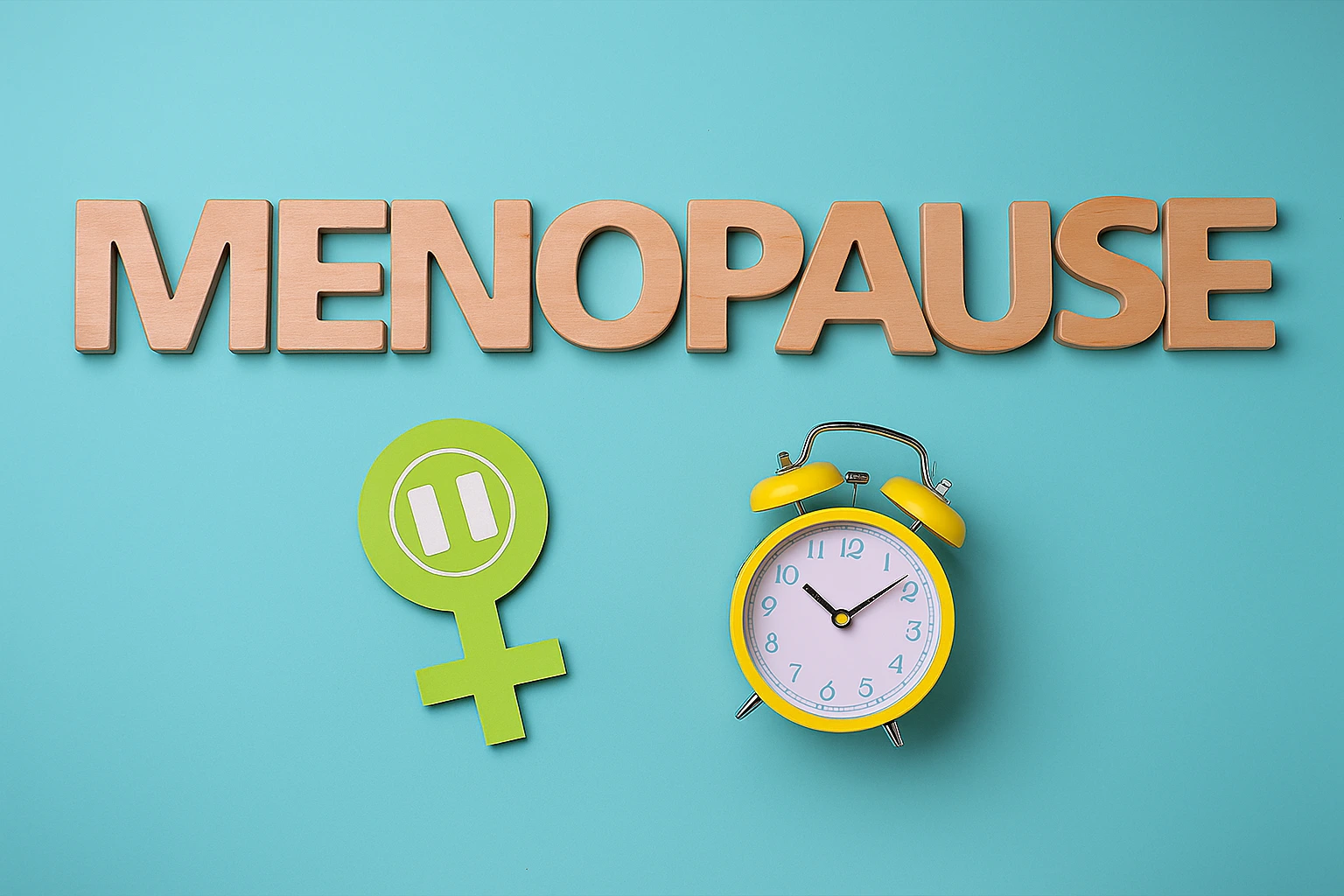
Menopause refers to the end of menstrual cycles. It’s diagnosed when you haven’t had a period for 12 consecutive months. The average onset is around age 51, though it can happen earlier or later. Perimenopause, the transition leading to menopause, can begin in your 40s or even late 30s and lasts several years before your final period. Hormones like estrogen and progesterone start to fluctuate, often bringing symptoms well before menstruation stops .
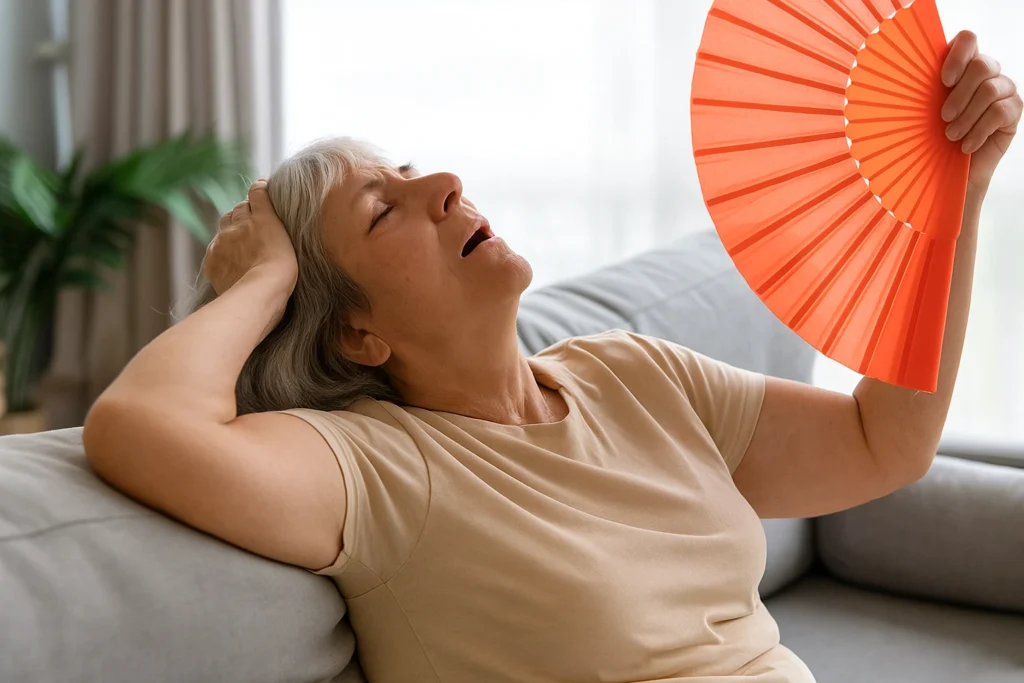
During this time, the body adjusts. Symptoms vary widely, from hot flashes and irregular periods to mood swings, sleep changes, vaginal dryness, and even memory lapses. Some people sail through; others find it challenging. Tracking your own experience is key.
Myth 1
Menopause is an illness? Menopause is not an illness. Menopause is a phase of life. It’s not an illness, it’s not a disease, it’s perfectly normal. It’s something that all women are going to go through. It’s something that a lot of women are going to be in for one third of their lives – which I had no idea about until I started researching this. I thought it was just kind of… you had a hot flash or a night sweat or couldn’t go to sleep, but that’s not the case. And we have not treated it as normal for a very long time. So we whispered about it. We use the word ‘taboo’ all the time to describe the word menopause. And for me, I thought it was going to be a time that was a big ending. And while it’s the ending of one phase of our life, it’s the beginning of another phase. So menopause is not an illness, it is not a disease, it is a phase of life.
Myth 2
If you are around 51 or 52 years old and you’ve missed a few periods here and there, you’re in menopause. That’s not the case. That’s not how the clock works. Actually, menopause is the first day after you have missed 12 of your periods. You could be in perimenopause, which I was for a long time, but I had no idea because I also have endometrium polyps, so I was so confused as a lot of women are. Anyway, the day after you’ve missed 12 periods, that is the day that you’re in menopause. And then after that, you’re post-menopausal. And I just think it’s so important to clear that up and important also to get some blood tests so you know your hormone levels, because hormones are what this is all about.
Myth 3
I’m going to gain weight and there’s nothing that I can do about it once I hit menopause. Guess what? There are 34 symptoms. One of those symptoms can be weight gain, but I’ve seen some women in the best shape of their lives because they’re saying, ‘You know what? Now it’s about me. I’m going to take care of my health. I’m going to make sure I’m well. I’m going to make sure I’m eating right. I’m cutting out sugar. I’m trying to trying to get as much sleep as I possibly can.’ But you know, hormone changes happen, and that’s why we’re on this journey. And yes, there can be weight gain, and yes, trust me, it can be frustrating, and I’ve had it. There’s some exercises that I will share down the line that I’ve been trying to do, and I really think that they’re helping. But first and foremost, I want to make sure you’re healthy during this time – mentally healthy and also physically healthy. And yes, there can be weight gain, but it’s not a guaranteed weight gain. So if you are gaining weight or you do feel like your body has shifted weight a little bit, make sure you also shift your mindset, because that’s going to be so important during this time.
Myth 4
Being in menopause means that I’m old and I’m past my prime. This is actually my favorite myth because attitude and action are everything during this time. This is what makes all the difference in the world between changing your life or just accepting the way it is. And I don’t care if we’re talking about menopause or we’re just talking about age – I just hit 51 years old, and trust me, I get it. I’m scared of feeling irrelevant, scared of not knowing what’s next, scared of feeling like I’m too old. It don’t matter, but that is not the case. You have to get rid of that fear and negative self-talk. This is a time of change, but I see so many people that are 50 plus that are thriving and surviving in all sorts of ways – making big differences, changing their business, changing their life, healthier than ever before. And you can do that, but attitude and action are everything. Again, a billion women are going to be in menopause by the year 2025, and some of these women are at the peak of their careers, the peak of their earning potential. This is an exciting time.
Practical Tips for Managing Symptoms
- Track phase and symptoms – Apps like Libre, Clue, or simple journals can help you spot patterns.
- Seek menopause-savvy care – Ask for providers trained in midlife health.
- Explore hormone therapy carefully – Review benefits and risks with your provider.
- Adopt healthy habits:
- Exercise most days
- Eat a varied diet with calcium, vitamin D, protein, and fiber
- Prioritize sleep and track stress levels
- Build a support network of family or peers experiencing the same stage
- Consider non-hormonal relief – Over-the-counter vaginal moisturizers, CBT for mood, or medications like SSRIs can help.
Final Thoughts
Menopause and perimenopause are natural transitions, not something to fear or view as illnesses. While they come with their own set of challenges, they also present opportunities for growth and renewal. By separating fact from fiction, you empower yourself to navigate this phase with confidence. Whether through lifestyle adjustments, professional support, medical treatment, or simply letting the process unfold naturally, you have options to manage symptoms and embrace this new chapter of life.
Everyone’s visit through this stage will be different. So track your cycle, speak openly with health providers, and choose what fits your health, lifestyle, and comfort. You deserve a menopause chapter defined by strength, balance, and clarity not silence or shame.