
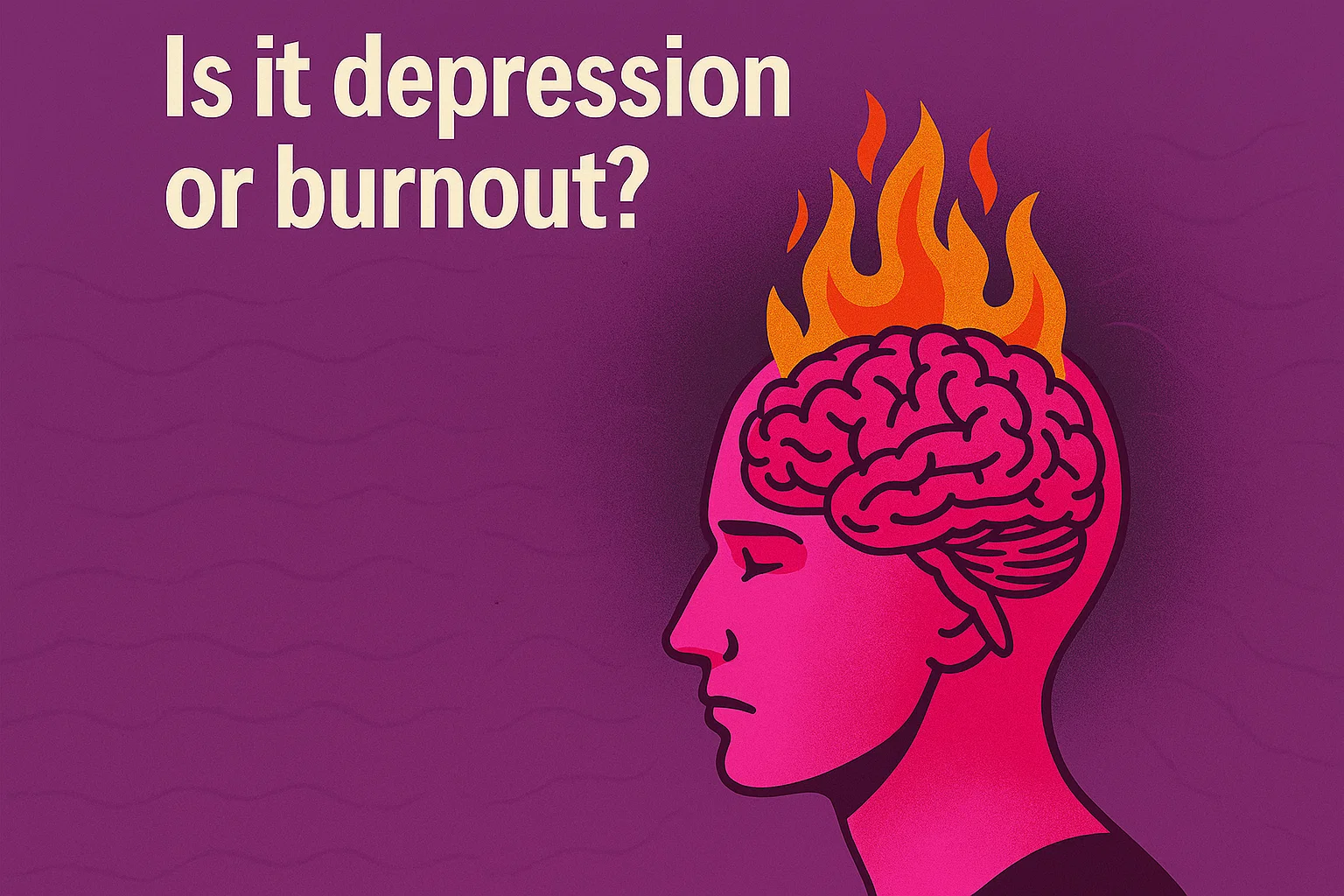
What Is Mental Burnout?

so firstly I want to differentiate mental fatigue or fatigue of the Mind from other types of fatigue or tiredness we can also have emotional fatigue we can have physical fatigue we can also have environmental fatigue where we feel fatigued and drained by the repetitiveness of the environment that we are in the defining characteristic of mental fatigue is that our mind our mental processing is not functioning as it ideally would it can sometimes feel
like brain fog like our brain is in a fog and we can’t get clarity of thought it can be experienced like our brain running more slowly like we’re struggling to find a particular word or a particular sentence or we have to repeat or have things repeated to us multiple times but it’s particularly really a tiredness of the functioning of our mind and sometimes what can be happening is that can be marked in comparison to other types of fatigue so we may for example feel physically quite energetic but our mind
is drained tired and not processing information as it normally would.
Causes of Burnout/Fatigue
So what are some of the potential causes of mental fatigue? I like to think about this from really two different perspectives. We can think about external causes, but also internal causes. External causes may be things like prolonged focus that we’ve been focused on a particular task for a sustained period of time and we’ve tired our mind in the process of doing that. Another example may be functioning in a high stress environment, where there’s a lot of stimulus, a lot of pressures, a lot of demands in the environment around us, and again that becomes a drain on our mental capacity.
But we can also think about it from the perspective of internal factors. So it may be that the external environment and demands haven’t really changed, or it may be they have changed but not beyond our normal capacity to meet those demands, but because there is a depletion in capacity in some way. Maybe we’re suffering from overall fatigue. Maybe we have a kind of acute issue that we haven’t had enough short-term sleep or rest. Or it may be a more chronic issue such as chronic fatigue syndrome, or fibromyalgia and so on.
So it’s helpful to think about: is it the demand being placed upon us, or is it the supply of capacity or resource that is meeting that demand? And of course, sometimes it can be both of those factors.
Signs of Burnout
Burnout symptoms can show up in many ways:
Physical signs:
- Constant fatigue or low energy
- Headaches or muscle pain
- Trouble sleeping
Emotional signs:
- Feeling cynical, detached, or unmotivated
- Irritability or frustration
- A sense of dread about work or responsibilities
Mental signs:
- Difficulty concentrating
- Forgetfulness
- Feeling mentally “numb” or checked out
Unlike depression, burnout symptoms usually improve when the source of stress is removed like taking a vacation or switching jobs.
speak with a therapist or coach who specializes in workplace stress.
How to Manage Mental Exhaustion and Burnout
Burnout is real, but it’s also manageable with the right strategies.
1. Set Clear Boundaries
Turn off work email after hours. Learn to say no. Protect your time and energy, especially if you’re a caregiver or people-pleaser.
2. Prioritize Sleep and Rest
Chronic stress wears down your body. Sleep isn’t lazy it’s essential for mental clarity and emotional balance.
3. Take Meaningful Breaks
Micro-breaks during the day, short walks, or digital detox periods help reset your mind. Don’t wait until you’re burned out to rest.
4. Reconnect with Joy
Do things that have nothing to do with productivity art, music, nature, play. These things restore you.
5. Talk to Someone
Even if it’s just a friend or mentor, sharing what you’re feeling can help you make sense of it. If it persists, reach out to a therapist.
Closing Thoughts
Burnout represents more than simple tiredness – it’s your system’s urgent alert that requires realignment. What makes mental fatigue unique from other exhaustion types is its profound effect on your cognitive abilities, disrupting your mental sharpness, concentration and general life quality. The triggers might vary from external pressures (extended mental effort or stressful surroundings) to internal factors (ongoing health issues or lack of proper rest), yet the outcome remains consistent: diminished mental performance.
Identifying the symptoms physical, psychological or emotional marks the beginning of healing. While burnout symptoms typically improve when the pressure source is eliminated (unlike clinical depression), proactive management remains essential. Implementing thoughtful adjustments creates meaningful impact: establishing limits, valuing downtime, incorporating restorative pauses, and engaging in fulfilling non-work activities.
The hopeful truth is burnout isn’t irreversible. Through mindful self-awareness, gradual lifestyle modifications and professional guidance when necessary, you can rebuild equilibrium and mental strength. Your cognitive health forms the foundation of your existence nurture it thoughtfully and intentionally.