
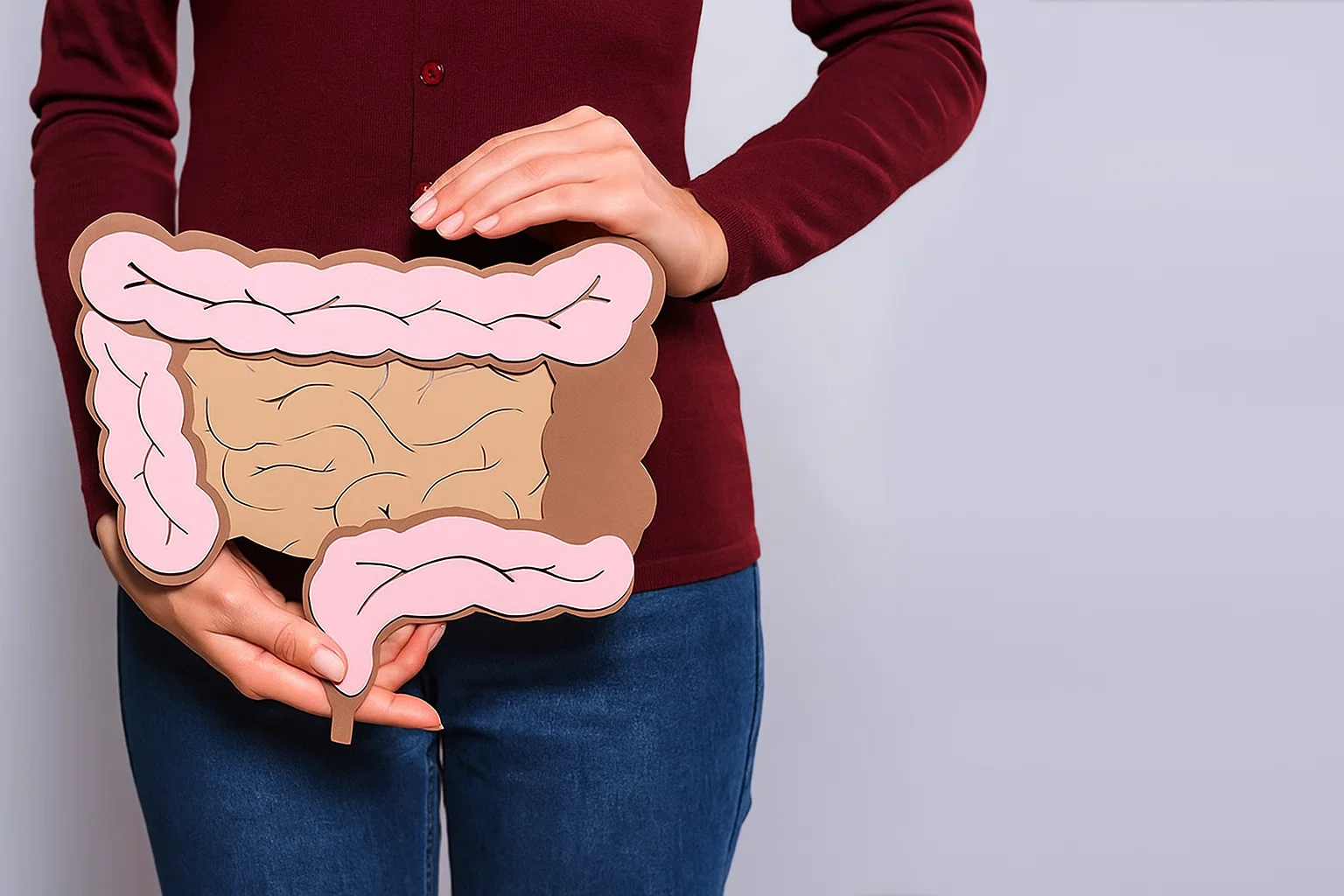
In order to heal constipation, it’s important to know the root cause for why you can’t go because you can do all the things you know to patch it up, but if you don’t know the root cause for why you’re constipated in the first place, you’re gonna go right back to straining on that toilet. So let’s look at the most common reasons people can’t go.
What Causes Gut Imbalance?
So, like the major one, y’all, is diet. A diet that increases your intake of processed sugar, food additives, meat, and cheese can majorly affect your gut. Another one is alcohol and new medications, such as like antibiotics.
How to Fix It
The first step is taking a close look at your daily meals – could certain foods be disrupting your gut? One powerful solution is shifting to whole foods (plant based diet) focused on fresh produce, whole grains, beans, root vegetables, nuts and seeds. This simple change automatically removes gut damaging processed sugars, artificial ingredients and dairy while naturally providing prebiotic nutrients that feed and strengthen your beneficial gut bacteria. By nourishing your microbiome with these wholesome plant foods, you create the ideal environment for healthy digestion to flourish. Foods like whole grains, bananas, greens, onions, garlic, and more. All of this is going to produce healthy bowel movements.
Secondly, probiotics. Probiotics are super helpful because they can also balance your healthy gut bacteria. So you can do a probiotic, preferably one that survives your stomach acid so it can reach your gut and properly colonize the gut environment. And don’t sleep on the probiotic foods that have beneficial live microbiota, including plant-based yogurt, tempeh, kimchi, miso, sauerkraut all phenomenal options.
Increase Fiber Intake
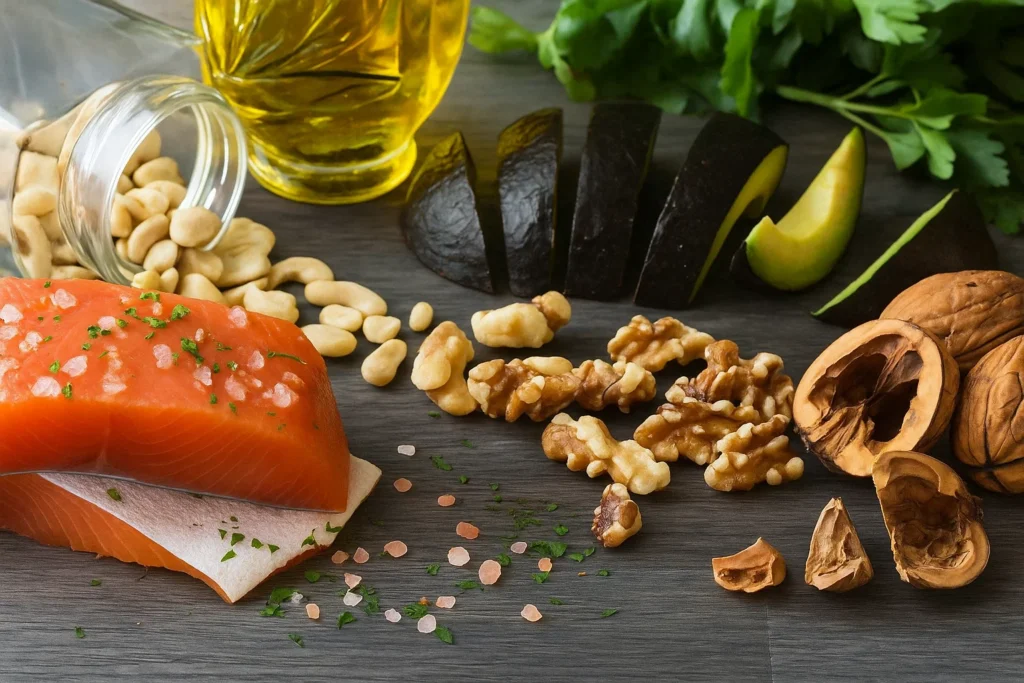
I know we hear this one all the time, but it’s true: one of the most effective ways to prevent constipation naturally is to increase your fiber intake. Fiber is a type of carbohydrate that is not digested in the body, y’all, but instead helps to add bulk to the stools and promote regular bowel movements. And you can increase your fiber intake by eating more fruits, vegetables, whole grains, legumes, tubers, nuts, and seeds. Some examples of fiber-rich foods include berries, apples, pears, broccoli, lentils, chia seeds, quinoa pretty much almost anything plant-based.
Mind you, you can get fiber from things like Metamucil at your pharmacy, but it’s no substitute for vegetable fiber. Vegetable fiber provides your gut with nutrition; Metamucil is not going to do the same thing because it’s only a supplement.
Hydration is Key
if you’ve switched to a plant-based diet and increased your fiber but still experience constipation, you might be missing a critical piece of the puzzle. Fiber acts like a sponge in your digestive system – it absorbs water to help move things along. Without adequate hydration, this can actually backfire, leaving you with dry, hard stools that are difficult to pass.
I’ve heard people say, “I went plant-based, but now I’m constipated.” Honey, it could be because you increased your fiber but didn’t adjust your water intake, so your colon doesn’t have enough water to push it out. And if you don’t increase your water intake and you’re dehydrated, you’re going to be constipated stool is going to get hard and become difficult to pass.
As a good rule of thumb, you should try to drink about half your body weight in ounces. So if you’re 200 pounds, it’s recommended you drink half of that in ounces so 100 ounces of water, which is about like 12 cups. Also, try to avoid sugary or caffeinated drinks, which can actually dehydrate you.
Eliminate Constipating Foods
if you’re still not going, it could be white bread, meat, cheese, fast food. I know they taste good, but they’re not going to help you go. In fact, when I was binging on these foods, I didn’t go for days that’s not normal and that’s not healthy. It’s important to understand that foods causing constipation are typically fiber-deficient – this was precisely what kept me blocked up. My turning point came when I consciously boosted high-fiber foods while eliminating low-fiber choices, and paired this change with proper hydration. Only then did my digestive system begin functioning smoothly again. The combination of adequate fiber and sufficient water intake made all the difference in restoring regular bowel movements
this didn’t just happen automatically when I went vegan you know why? Because I was still binging on constipating processed food. It wasn’t until I went whole-food, plant-based that my bowels began to normalize.
Natural Remedies for Immediate Relief
There are natural remedies you can start doing today to help you go. These include:
1. Aloe Vera
Aloe vera juice can help promote bowel movements and relieve constipation. I even know of people who have taken the inside of the leaf (the gel, not the skin) and made a drink by blending a green apple, one tablespoon of flaxseed, and eight ounces of water. They blend that all up, followed by drinking one or two glasses of lukewarm water to get the bowels moving.
2. Magnesium Supplements
Magnesium supplements can help relax the muscles in the digestive tract and promote regular bowel movements.
3. Potassium
You need potassium to ensure peristaltic action in your colon walls. Without it, colon walls are weak, and they can’t contract properly to help remove fecal matter. Now, bananas are a great source of potassium, but there are some sources that are even higher than bananas, including prunes that’s one of the reasons prune juice works so well, because of its potassium. Swiss chard has double the potassium than a banana. Other great sources include lentils, chickpeas, all the beans, coconut water, watermelon, and spinach.
4. Herbal Remedies
Some herbal remedies may also help prevent constipation. They include:
- Triphala – An herbal remedy made from three fruits (amla, haritaki, and bibhitaki) commonly used in Ayurvedic medicine for constipation.
- Senna – A herbal laxative that can help promote bowel movements.
- Ginger – A natural anti-inflammatory that aids digestion.
- Slippery Elm – Soothes the digestive tract.
While it may be more dangerous to be constipated than to use a herbal laxative, you should talk to your healthcare provider to ensure they’re suitable for you.
5. Exercise

Regular exercise is not only important for overall health but can also help prevent constipation. Exercise helps stimulate the muscles in your digestive tract, which can help move food through your system more quickly. Aim for at least 30 minutes of moderate-intensity exercise (brisk walking, cycling, swimming) most days of the week.
6. Stress Management
Stress can have a negative impact on many aspects of our health, y’all, including the digestive system. When we’re stressed, our body’s natural fight-or-flight response can slow down digestion and lead to constipation. To prevent constipation, it’s important to manage your stress levels. Some effective stress-reducing activities include:
- Spending time in nature
- Taking a bath with some candles
- Getting a massage
- Listening to relaxing music
- Praying and meditating on scripture
7. Good Bathroom Habits
Practicing good bathroom habits can also help prevent constipation.
- Don’t ignore the urge to go when you hold it, it could take longer to come out.
- Establish a regular bowel routine by going at the same time each day.
- Don’t strain this causes hemorrhoids.
- Use a footstool to elevate your feet while sitting on the toilet, which helps promote a more natural bowel movement.
8. Sleep
Getting enough sleep is important for overall health, but it can also help prevent constipation. When we’re sleep deprived, our body’s natural rhythms can become disrupted, y’all, including our digestive system. Aim for at least seven to nine hours of sleep per night to help promote regular bowel movements.
Final Take
To achieve lasting relief from constipation, focus on addressing the root causes through fundamental changes – nourishing your gut with probiotic foods and fiber-rich whole foods, drinking plenty of water, and eliminating problematic low-fiber foods. Combine these dietary corrections with supportive daily habits like regular exercise, stress management, timely bathroom visits, and natural herbal aids when needed. This comprehensive approach of both corrective and maintenance strategies works synergistically to restore and maintain healthy, regular bowel movements naturally.
And if you continue to experience constipation despite these lifestyle changes, be sure to talk to your healthcare provider, as it could be a sign of a more serious underlying condition so you want to get that checked out.
I hope this information helps and that you find value in it!